Buy unblocksource.eu ?
We are moving the project
unblocksource.eu .
Are you interested in purchasing the domain
unblocksource.eu ?
domain@kv-gmbh.de · 0541-91531010
Buy unblocksource.eu ?
What is the unit of potential energy?
The unit of potential energy is the joule (J). Potential energy is a measure of the energy an object has due to its position or state, and it is expressed in joules in the International System of Units (SI). One joule is equivalent to one kilogram meter squared per second squared (kg·m^2/s^2), which represents the amount of energy required to move an object against a force. **
What is the unit for energy in physics?
The unit for energy in physics is the joule (J). This unit is named after the English physicist James Prescott Joule and is defined as the amount of work done when a force of one newton is applied over a distance of one meter. The joule is a derived unit in the International System of Units (SI) and is used to measure various forms of energy, including mechanical, thermal, and electromagnetic energy. **
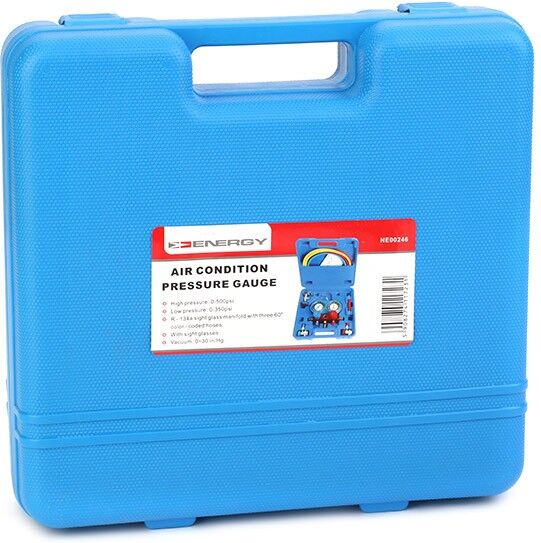
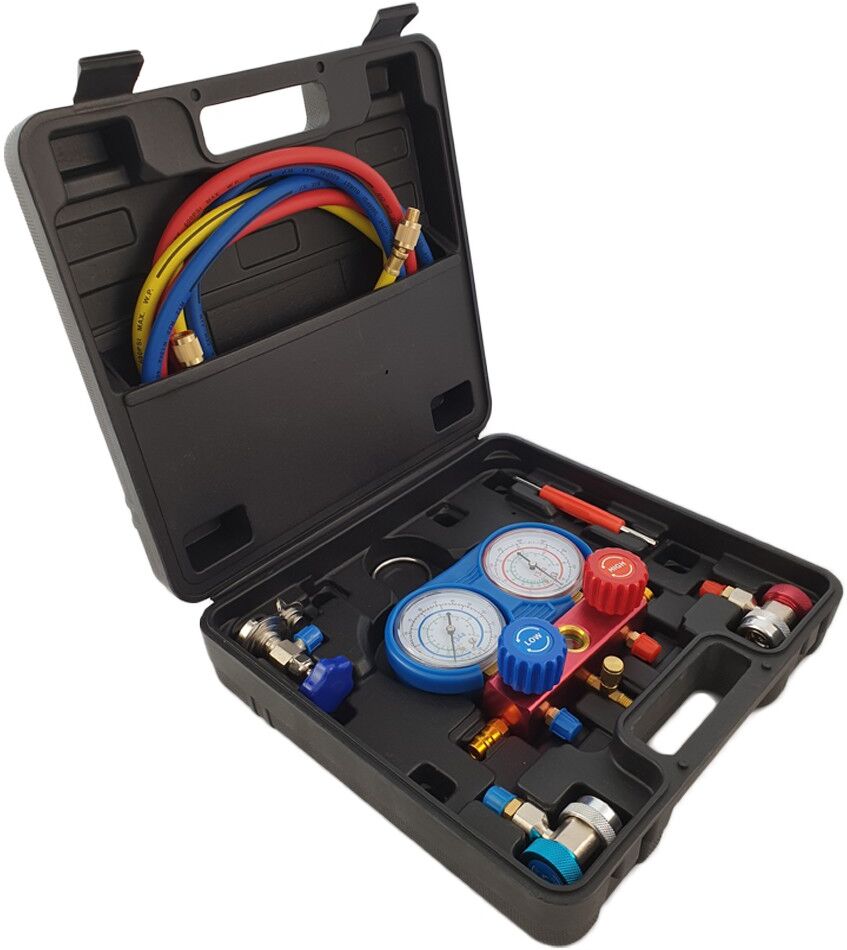
Similar search terms for ENERGY-NE00246-Diagnosis-Unit
Top-Angebote
Products related to ENERGY-NE00246-Diagnosis-Unit:
-
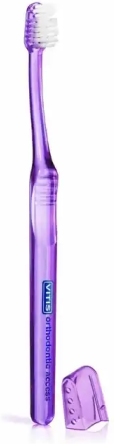
Vitis Ultrasoft Access Toothbrush 1 UnitHealth and Beauty Oral Care Vitis Ultrasoft Access Toothbrush 1 Unit Brush for daily use. Small head that allows access to areas of difficult access (posterior areas of the mouth, especially parts that are in the eruptive process, dental malposition, etc.). Ultra-soft bristles with a straight profile for situations of extreme sensitivity of teeth and gums, for greater precision. Malleable neck that allows its flexion until acquiring the position of the brush that best adapts to the oral cavity, facilitating accessibility during brushing. Anatomical handle with anti-slip grooves to facilitate its use. Protective cap, keeps the filaments grouped and in optimum hygienic conditions. Brush colors vary depending on stock.5,26 £*Shipping: 3,99 £Secure redirect to the provider
-
Vitis Hard Access Toothbrush 1 UnitHealth and Beauty Oral Care Vitis Hard Access Toothbrush 1 Unit Toothbrush with hard bristles to effectively remove oral biofilm (bacterial plaque) and a small head, specific for small mouths and to access hard-to-reach areas. Instructions for use: Brush your teeth three times a day or after each meal with circular movements from the gum to the tooth.4,19 £*Shipping: 3,99 £Secure redirect to the provider


-
What is the unit of energy in physics?
The unit of energy in physics is the joule (J). It is named after the English physicist James Prescott Joule and is defined as the amount of work done when a force of one newton is applied over a distance of one meter. The joule is used to measure various forms of energy, including mechanical, thermal, and electromagnetic energy. **
-
How do you calculate the unit of energy?
The unit of energy is typically calculated using the formula E = P x t, where E represents energy, P represents power, and t represents time. Power is measured in watts (W) and time is measured in seconds (s), so the unit of energy is typically calculated in joules (J), which is equal to one watt-second. This formula can be used to calculate the energy consumption of various devices and systems, as well as to determine the amount of energy transferred or transformed in a given process. **
-
What is the formula symbol and unit of energy?
The formula symbol for energy is "E" and the unit of energy is the joule (J). Energy can also be measured in other units such as kilojoules (kJ) or calories (cal), but the standard unit in the International System of Units (SI) is the joule. **
-
What is the unit for molar energy in kJ/mol?
The unit for molar energy in kJ/mol is kilojoules per mole. This unit represents the amount of energy per mole of substance, and is commonly used in chemistry to express the energy changes associated with chemical reactions or the energy content of a substance. It allows for the comparison of energy changes between different substances on a per mole basis. **


Why do work, energy, and heat have the same unit?
Work, energy, and heat all have the same unit, the joule (J), because they are all forms of energy. Energy is the ability to do work or produce heat, so they are interconnected concepts. The joule is a unit of energy that can be converted between these different forms. This common unit allows for easy comparison and calculation of energy in various systems and processes. **
What is the standard unit for energy, joule or kilojoule?
The standard unit for energy is the joule. One joule is equal to the work done when a force of one newton is applied over a distance of one meter. The kilojoule is a larger unit of energy, equal to 1000 joules. It is often used to express the energy content of food and the energy expenditure of physical activities. **
Top-Angebote
Products related to ENERGY-NE00246-Diagnosis-Unit:
-
What is the unit of potential energy?
The unit of potential energy is the joule (J). Potential energy is a measure of the energy an object has due to its position or state, and it is expressed in joules in the International System of Units (SI). One joule is equivalent to one kilogram meter squared per second squared (kg·m^2/s^2), which represents the amount of energy required to move an object against a force. **
-
What is the unit for energy in physics?
The unit for energy in physics is the joule (J). This unit is named after the English physicist James Prescott Joule and is defined as the amount of work done when a force of one newton is applied over a distance of one meter. The joule is a derived unit in the International System of Units (SI) and is used to measure various forms of energy, including mechanical, thermal, and electromagnetic energy. **
-
What is the unit of energy in physics?
The unit of energy in physics is the joule (J). It is named after the English physicist James Prescott Joule and is defined as the amount of work done when a force of one newton is applied over a distance of one meter. The joule is used to measure various forms of energy, including mechanical, thermal, and electromagnetic energy. **
-
How do you calculate the unit of energy?
The unit of energy is typically calculated using the formula E = P x t, where E represents energy, P represents power, and t represents time. Power is measured in watts (W) and time is measured in seconds (s), so the unit of energy is typically calculated in joules (J), which is equal to one watt-second. This formula can be used to calculate the energy consumption of various devices and systems, as well as to determine the amount of energy transferred or transformed in a given process. **
Similar search terms for ENERGY-NE00246-Diagnosis-Unit
-
Vitis Ultrasoft Access Toothbrush 1 UnitHealth and Beauty Oral Care Vitis Ultrasoft Access Toothbrush 1 Unit Brush for daily use. Small head that allows access to areas of difficult access (posterior areas of the mouth, especially parts that are in the eruptive process, dental malposition, etc.). Ultra-soft bristles with a straight profile for situations of extreme sensitivity of teeth and gums, for greater precision. Malleable neck that allows its flexion until acquiring the position of the brush that best adapts to the oral cavity, facilitating accessibility during brushing. Anatomical handle with anti-slip grooves to facilitate its use. Protective cap, keeps the filaments grouped and in optimum hygienic conditions. Brush colors vary depending on stock.5,26 £*Shipping: 3,99 £Secure redirect to the provider
-
Vitis Hard Access Toothbrush 1 UnitHealth and Beauty Oral Care Vitis Hard Access Toothbrush 1 Unit Toothbrush with hard bristles to effectively remove oral biofilm (bacterial plaque) and a small head, specific for small mouths and to access hard-to-reach areas. Instructions for use: Brush your teeth three times a day or after each meal with circular movements from the gum to the tooth.4,19 £*Shipping: 3,99 £Secure redirect to the provider
-
Vitis Access Soft Toothbrush 1 UnitHealth and Beauty Oral Care Vitis Access Soft Toothbrush 1 Unit Toothbrush with soft bristles to effectively remove plaque (oral biofilm) and a small brush head, specifically designed for small mouths and to reach hard-to-reach areas. Its soft, wavy bristles facilitate access to interdental spaces and adapt to the shape of the teeth. Directions for use: Brush your teeth three times a day or after each meal, using circular movements from the gum to the tooth.4,06 £*Shipping: 3,99 £Secure redirect to the provider
-
Vitis Access Medium Toothbrush 1 UnitHealth and Beauty Oral Care Vitis Access Medium Toothbrush 1 Unit Toothbrush with medium-hard bristles to effectively remove oral biofilm (bacterial plaque) and a small-sized head, specifically for small mouths and to access hard-to-reach areas. Directions for use: Brush your teeth three times a day or after each meal, using circular movements from the gum to the tooth.4,19 £*Shipping: 3,99 £Secure redirect to the provider
-
What is the formula symbol and unit of energy?
The formula symbol for energy is "E" and the unit of energy is the joule (J). Energy can also be measured in other units such as kilojoules (kJ) or calories (cal), but the standard unit in the International System of Units (SI) is the joule. **
-
What is the unit for molar energy in kJ/mol?
The unit for molar energy in kJ/mol is kilojoules per mole. This unit represents the amount of energy per mole of substance, and is commonly used in chemistry to express the energy changes associated with chemical reactions or the energy content of a substance. It allows for the comparison of energy changes between different substances on a per mole basis. **
-
Why do work, energy, and heat have the same unit?
Work, energy, and heat all have the same unit, the joule (J), because they are all forms of energy. Energy is the ability to do work or produce heat, so they are interconnected concepts. The joule is a unit of energy that can be converted between these different forms. This common unit allows for easy comparison and calculation of energy in various systems and processes. **
-
What is the standard unit for energy, joule or kilojoule?
The standard unit for energy is the joule. One joule is equal to the work done when a force of one newton is applied over a distance of one meter. The kilojoule is a larger unit of energy, equal to 1000 joules. It is often used to express the energy content of food and the energy expenditure of physical activities. **
* All prices are inclusive of VAT and, if applicable, plus shipping costs. The offer information is based on the details provided by the respective shop and is updated through automated processes. Real-time updates do not occur, so deviations can occur in individual cases. ** Note: Parts of this content were created by AI.